Friday, 6 May 2022

Eid-ul-Fitre Messages from UK Political Leaders

UK Political Leaders Eid-ul-Fitre Messages

Dr. Mozammel Haque


Followings are the Eid-ul-Fitre Messages from the UK political leaders exclusive to @the Muslim News London:


Exclusive: Eid al-Fitr messages from UK Political leaders:


Rt Hon Sir Keir Starmer MP

Leader of Labour Party


I would like to wish Muslims in the UK and around the world Eid Mubarak.

Like last year, I know this Ramadan has been different and you haven’t been able to gather in person. This will be particularly difficult at Eid, especially for those who are separated from family and friends. But there is now light at the end of the tunnel and I want to thank Muslim communities who have contributed so much in the fight against Covid.

 I would like to say a huge thank you to Muslim key workers who have worked tirelessly over the last year.

 And thank you to the countless volunteers and community leaders in Mosques and community centres across the country. You have given up your time and opened your doors supporting the delivery of the vaccine and looking out for the most vulnerable.

Your efforts have saved lives and kept the country going.

Although we have not been able to meet in person throughout Ramadan, I have joined online iftars and experienced the close bonds that have brought the community together. Islam teaches us about the importance of looking after one another, working towards a common purpose and striving for justice and equality. I know these values have inspired you over the last year. They inspire me.

So on behalf of the Labour Party, I want to take this opportunity to wish all Muslim communities Eid Mubarak.

Rt Hon Sir Ed Davey MP

Lib Dem Leader
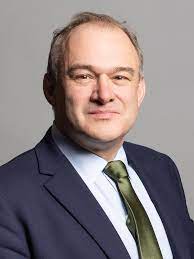

I want to send warm wishes to Muslims in the UK and around the world celebrating Eid al-Fitr.

There’s no denying this past year has been immensely tough for everyone. But as we start to look forward — and dare to hope the worst of this pandemic has passed — there’s one positive that has shone through these dark times.

It’s the power of community. And Muslims across the country have exemplified this amazing community spirit.

Like the heroic NHS and frontline workers who have risked their lives to keep us safe. Or the 100 grassroots Muslim community support groups who have pulled together and helped those in need, without fanfare. And the mosques who have brought their services online — helping many overcome difficult feelings of isolation or disconnection.

As we emerge from this terrible pandemic, I truly hope we can keep this incredible community spirit alive.

So to everyone celebrating Eid I wish you joy and peace. Eid Mubarak!

 Rt Hon Nicola Sturgeon MSP

Leader, Scottish National Party

As-salaam Alaikum


On Eid al-Fitr, I want to send my very best wishes to Muslims here in Scotland and around the world.

Eid is a time for celebration and for friends and family. And I recognise that this year — like last — it will be different and difficult for so many due to Covid-19.

Even though you may not be able to celebrate it as you normally would, I hope that relaxations around congregational prayer and outdoor meetings will provide some relief and source of celebration.

The sacrifices made by the Muslim community have been difficult, but they have also been very necessary, and here in Scotland, they have helped us to make major progress in reducing COVID-19.

The Muslim community has played a key role in enabling Scotland to lift lockdown restrictions by opening up places of worship for COVID testing and to assist in the rollout of the vaccine. For that, I am extremely grateful.

On this holy festival, I want to thank all of you for helping Scotland during this crisis. I hope you and your loved ones continue to stay safe. And I hope that you all have a very happy and joyful Eid al-Fitr.

Rt Hon Mark Drakeford MS

First Minister of Wales


This year, once again, Ramadan has been observed in the long shadow cast by the pandemic in Wales.

Normal traditions, religious practices and gatherings of family and friends at the break of the daily fast have been affected by the restrictions, which continue to be needed to control the spread of this awful virus.

 A virus, which has affected so many of our communities over the last year.

Ramadan has been a time of reflection and also a time to look forward to the future with hope. And we can all look forward with hope and confidence for better times ahead.

I want to thank all our Muslim communities across Wales for their support over the last year and the way in which they have embraced the vaccination programme.

I had the privilege of visiting a vaccination clinic organised by Muslim Doctors Cymru at the Jalalia Mosque, in Cardiff, which has run every Sunday during Ramadan. It is clinics like these, which are helping to protect communities and help move us forward into the brighter future ahead.

We are also working with the Muslim Council of Wales to ensure that Eid prayers can be celebrated in an event in Cardiff. Keeping everyone safe continues to be our main priority but there is also an opportunity for the community to celebrate Eid al-Fitr together.

 I look forward to the time when we can all celebrate together once again. Until then, Eid Mubarak.

Rt Hon Sadiq Khan

Mayor of London


I would like to wish a blessed Eid to all Muslims in London, the UK and around the world, as we celebrate this occasion.  

The last year has seen us face exceptional challenges, and my thoughts remain with all who have lost loved ones throughout this time. 

The long fasts have been incredibly tough and as they draw to a close, for the second year in a row our communities are not able to come together as we normally would. Rather than celebrating Eid in Trafalgar Square, connecting in larger numbers in mosques across our city or embracing family and friends, we must once again continue to play our part in stopping the spread of Covid-19. 

I know how disappointing it has been having to adapt again this Ramadan, but as lockdown gradually eases, like many other Muslims in the UK I now look forward to celebrating Eid in person as fully as the restrictions allow.  

So, whether you are enjoying a picnic in the park, hosting a gathering in your garden or celebrating within a bubble, I urge everyone to continue to follow the rules that are in place to protect our loved ones and the wider community.

And as the roll-out of the vaccination programme continues my message is simple, when you are invited to receive the jab, please say yes. I have had both doses and can testify – it is safe, it is halal and gives us a great deal of hope for the future.

The Muslim community has shown enormous strength and courage over the last year, with mosques in London and across the country going to incredible lengths to support those in need and whole communities coming together in extraordinary acts of kindness. 

I want to thank Muslims across London for the sacrifices they have made during this time, it brings me great joy that we are beginning to be able to come together to celebrate once again.  

 Courtesy: @The Muslim News, London

Acknowledgement: The Muslim News London


Tuesday, 3 May 2022

Eid-ul-Fitre Mubarak to All of You


EID MUBARAK TO YOU ALL


                                                        Dr. Mozammel Haque


Eid-ul-Fitr Mubarak to all of you.

Saudi Arabia  announced on Saturday 30 April, 2022  that Eid-ul-Fitr will officially begin on Monday, 2nd of May, 2022. Saudi Arabia celebrated Eid ul Fitr on Monday as Shawwal moon was not sighted on Saturday. Haramain posted, the moon has not been sighted in Saudi Arabia. Eid ul Fitr will be celebrated on Monday 2nd of May 2022, Insha Allah.

 Monday, 2nd of May 2022 was Eid-ul-Fitre, Insha Allah, in the United Kingdom according to London Central Mosque Trust & The Islamic Cultural Centre, London. Eid Mubarak to you all. May Allah accept our prayers, fasting, Taraweeh, Telawet-e Qur’an, charity, Ibadah and good deeds and let us witness the next Ramadan. Ameen.


King Salman bin Abdulaziz, the Custodian of Haramain – the Two Holy Mosques- wished Muslims around the world a blessed Eid-ul-Fitr, state news agency SPA reported on Sunday.


The message of  King Salman bin Abdulaziz on the occasion of Eid-ul Fitre  are as follows (in Full) :

 Find below the full transcript of the King’s speech: (English Al-Arabia.net)

 “In the name of Allah, the most merciful, the most gracious.

Praise be to Allah. May Allah's prayer and peace be upon Prophet Muhammad.

"Dear citizens and residents, in our dear country, the Kingdom of Saudi Arabia, Muslims all over the world.

 “May Allah's peace, mercy and blessings be upon you.

 “We are pleased to congratulate you on the blessed Eid Al-Fitr from the vicinity of the Grand Holy Mosque. And every year, you are very well. And may Allah turn back to us and you Eid as we enjoy security, safety, health and happiness, and protect our country and the countries of the world from all evil and harm.

“We thank Allah for what bestowing upon us and you of fasting and performing night prayers in the holy month of Ramadan, praying for accepting from us all the good deeds, as He is All-Hearing and All-Responsive.

“We also thank Allah that we have reached the happy Eid Al-Fitr, we hope that Allah Almighty will delight our hearts with Eid and help us all to achieve the purposes of the blessed Eid by showing happiness and joy.

 “Allah has made Eid an opportunity for the sublimity of morals, harmony, fraternity, tolerance and forgiveness.

 “Dear citizens,

“The great honor that Allah has bestowed on our country is by serving the Two Holy Mosques, ensuring the comfort of pilgrims, Umrah performers and visitors, and providing them with the best services, which is a source of pride for all of us, and we strive dearly in fulfillment of the responsibility that Allah has chosen us for it, and in a sense of holiness of this great duty. And we thank Allah for having succeeded in continuing this great work. Since the era of the founder late King Abdulaziz, this country has followed him under the leadership of his sons the kings after him. And we are still and remain proud, and we are honored to continue the mission with the highest efficiency and distinction.

 “It was by Allah's grace that the Kingdom re-allowed the use of the full capacity at the Grand Holy Mosque and the Prophet’s Holy Mosque, and we were pleased with Allah's help for large numbers of Umrah performers, worshipers, and visitors visiting the Two Holy Mosques in the holy month of Ramadan. And we thank Allah Who enabled us to work at the highest levels of responsibility, seriousness and innovation in facing the pandemic, and mitigating its effects, which bore positive fruits on most aspects of life, and thanks to Allah first, then to workers in all sectors, and to citizens and residents, who showed high awareness, great commitment and speed in response to the directives and instructions that were associated with the pandemic.

“In conclusion, we are proud of our brave heroes, and those stationed on the frontiers, and we thank our citizens, who work sincerely in the military and civilian sectors, praying to Allah Almighty to grant us success in all good deeds, and to protect our country from all evil.

“May Allah bless you on your Eid, and crown our and your steps with all success.

May Allah's peace, mercy and blessings be upon.” @english.alarabiya.net

 An Interview with Dr. Ahmad

 ibn Saifuddin Turkestani

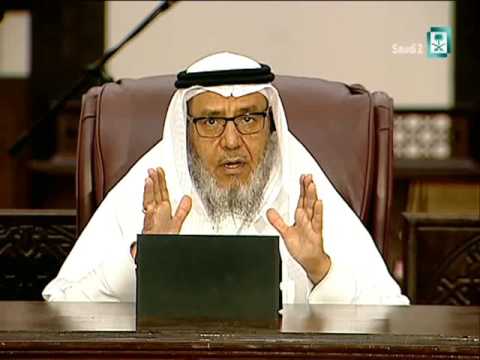
I have already mentioned in my last week column the importance and significance of the last ten days and nights of the month of Ramadan. What I am going to write in today’s website seems to be repetition of the same but it is not. It is actually an interview carried out a few years ago with a renowned Islamic scholar, Professor Dr. Ahmad ibn Saifuddin al-Turkistani. He was a Professor at the Imam Saud Islamic University in Riyadh, Saudi Arabia. As early as early 80’s when the Saudi Television started the Second Channel in English, there used to be an Islamic programme entitled “Islam In Focus” run by Dr. Ahmad ibn Saifuddin every Friday just after the Jumah Prayer. It was very popular to the English knowing immigrants, particularly in Jeddah, Hejaz. I was one of them. I had the opportunity to meet him in London when he came here at the Saudi Cultural Bureau, London. I conducted an interview with him at the last week of the month of Ramadan a few years ago.

“This is one of the days that we are so much happy to live, to observe. Today is Friday and Friday is the best day the Sun has ever risen on and today is one of the days of the month of Ramadan. Ramadan is the master of the months. This is a month of blessings, favours on us. We should be thankful to Allah the Almighty for what he has given us. We are many others deprived of not enjoying the mercy of the month of Ramadan. So Alhamdolillah. Alhamdolillah, Alhamdolillah,” said Professor Dr. Ahmad ibn Saifuddin Turkistani.

Takbeer

That was for Zakat-ul-Fitr. The second form of Ibadah is Takbeer. Professor Turkistani mentioned, “It is a Sunnah to do Takbeer starting from the Maghreb of the night of Eid until Eid prayer. How do we say, what do we say? Allahu Akbar, Allahu Akbar La Ilaha Illallah Allahu Akbar Allahu Akbar walillahe wal Hamd. Any form of Takbeer is good to announce this and to obey Allah Subhanahu wa Taala as Allah said so you shall complete the number of days fasting and announce Takbeer. That’s why it is Sunnah to do Takbeer from the Maghreb to the Salat-ul-Eid in congregation. You say on yourself, you say it among Muslims, you say in the Masjid, in the house, anywhere wherever it is possible to pronounce loudly just to inform Muslims around you that this is the time of praising Allah and celebrate Eid.”


Saturday, 30 April 2022

What To Do Toward the End of the Month of Ramadan


What to do toward the end of the

month of Ramadan

 Dr. Mozammel Haque

The blessed month is approaching to the end; only a few days and nights remain. Today is Saturday, 29 Ramadan corresponding to 30th of April, 2022. Tomorrow Sunday 1st of May 2022   is 30 Ramadan subject to the sighting of moon in Saudi Arabia today’s evening.  

Saudi Arabia has officially asked local citizens to spot and report if any the new moon of Shawwal – that marks the beginning of Eid al Fitr and end of the holy month of fasting, on Saturday 29th of Ramadan 1443 AH corresponding to April 30, 2022.


"The Supreme Court of the Kingdom of Saudi Arabia has asked citizens and residents in the Kingdom to search for the crescent of Shawwal 1443 on the evening of Saturday, 29th Ramadan 1443 according to Umm Al Qura Calendar corresponding to April 30, 2022 and report any sightings to their nearest court", local media said in a report Thursday.

"The Supreme Court’s special session will sit and deliberate on Saturday evening the results of the crescent search and will issue a decision shortly after Isha Prayers", the reports added.

The Kingdom’s main observations are made from Sudair and Tumair and sightings from these cities are part of the official decision.

According to local media reports of the Kingdom of Saudi Arabia, several Astronomers have said that there are less chances of the crescent of being seen on Saturday evening and the month of Ramadan 1443 is likely to complete 30 days.

An Interview with Dr. Ahmad

 ibn Saifuddin Turkestani

I have already mentioned in my last week column the importance and significance of the last ten days and nights of the month of Ramadan. What I am going to write in today’s column seems to be repetition of the same but it is not. It is actually an interview carried out a few years ago with a renowned Islamic scholar, Professor Dr. Ahmad ibn Saifuddin al-Turkistani. He was a Professor at the Imam Saud Islamic University in Riyadh, Saudi Arabia. As early as early 80’s when the Saudi Television started the Second Channel in English, there used to be an Islamic programme entitled “Islam In Focus” run by Dr. Ahmad ibn Saifuddin every Friday just after the Jumah Prayer. It was very popular to the English knowing immigrants, particularly in Jeddah, Hejaz. I was one of them. I had the opportunity to meet him in London when he came here at the Saudi Cultural Bureau, London. I conducted an interview with him at the last week of the month of Ramadan a few years ago.

 “This is one of the days that we are so much happy to live, to observe. Today is Friday and Friday is the best day the Sun has ever risen on and today is one of the days of the month of Ramadan. Ramadan is the master of the months. This is a month of blessings, favours on us. We should be thankful to Allah the Almighty for what he has given us. We are many others deprived of not enjoying the mercy of the month of Ramadan. So Alhamdolillah. Alhamdolillah, Alhamdolillah,” said Professor Dr. Ahmad ibn Saifuddin Turkistani.

Lailatul Qadr


We have only a few days and nights are left but still they are very important. Only yesterday we have been receiving the month, just yesterday, 28 days past but still the best is there, 29th night of Ramadan; there is Lailatul Qadr. Professor Turkistani asked do you know what Lailatul Qadr is and said, “It is better than 1000 months; by simple calculation, Lailatul Qadr is better than more than 83 years. Just imagine 84 years. The average life of Muslims, most Muslims die before their age; which means you are getting the reward of more than 83 years. Even better, because Allah Subhanahu wa Taala says Lailatul Qadr khairun. This is a golden opportunity; it’s a gift even to this Ummah and we shall take it. It’s worth to take a vacation, to take some days off your work; to leave all things at your hands and get this opportunity. Only a few days. Then they will be gone.”

Narrating the blessing of this month of Ramadan, Professor Turkistani said, “This night is so much blessed. The Angels will come down and will bring blessings and Allah Subhanahu wa Taala will forgive anyone who is committed to Allah on that night reciting the Glorious Qur’an, engage in prayer, doing all the good deeds that a person can do. Even if you stay awake all the night it’s worth it. When the last ten days come on his own life, the Prophet peace be upon him would avoid sleep during the nights of the last ten days. And he would stay away from his wives only concentrating on Ibadah. It’s worth it.”

“It is nine days or ten days for more than 83 years what a bargain. Why can you not use it brothers and sisters. This is what Allah Subhanahu wa Taala has promised us.  This stays  until Fajr; until the coming dawn; so we shall be very much interested in this. Anyone who misses that he is a deprived one. Deprived. We shall not be deprived of this great prize, a great opportunity,” said Professor Turkistani.

 What a blessing! What a gift!

Professor Turkistani also mentioned what a bargain it is. He said, “Just say a one good thing:  SubhanAllah Alhamdo lillah La ilaha Illallah Allahu Akbar.  It is like you have done for 83 years and 4 months. What a blessing; what a gift that is given to us this opportunity the biggest bargain. I do not see any bargain better than that. You see that? Even when people bargain, they go to stores and markets and online trying to buy the best thing that they need and they dream of. They say ouh; this is the biggest bargain; no, wallahe, the bargain is Lailatul Qadr. This is the biggest bargain.”


Professor Turkistani urged people “Please do not let it go away without cashing as much as you can; devote the rest of the time for Ibadah; because that will affect the rest of your life. It should, if you surely coming towards Allah with Taubah from your heart, from inside, then Allah will accept you, Insha Allah and then Insha Allah, you would be happy for the rest of your life. You would be guided on the straight path. So you keep on the truck until you meet Allah Subhanahu wa Taala. This is the time and that’s why Allah Subhanahu wa Taala promises that you stand with imaan and Ihtesab. imaan believing in Allah and believing in His Rewards and Ihtesaban seeking the rewards from Allah Subhanahu wa Taala alone; not from any one else and all your previous sins are forgiven. You fast the month of Ramadan all your previous sins are forgiven if again if you stand up in Salah during all the month of Ramadan and you should do it out of Imaan and Ihtesab and all your previous sins are forgiven.”

Zakat-ul-Fitr

Professor Turkistani mentioned the first of those Ibadah is the Zakat-ul-Fitr.  He said, “Zakat-ul-Fitr is the source of purification and feeding of the poor and the needy. It is a source of purification for yourself in case you have committed some sins and who amongst us has not committed something wrong in the month of Ramadan or any other time and it is something to feed the poor and the needy.”

How Zakat-ul-Fitr is estimated? Enquired Professor Turkistani and promptly answered, “It is estimated Soa as in the Hadith of Abu Sayeed al-Khudri (RA) follow the Rasoolullah peace be upon him. He gave examples, all these types of food. So it means that we should give Zakat-ul-Fitr in food, not in money. I know that Imam Abu Hanifah (Rahimullah) said it is permissible to do in money but the Prophet peace be upon him and the Companions did not give Zakat-ul-Fitr in money. They gave it in food. They could have given in money; they would pay Zakat-ul-Maal or any type of Zakah from wealth, from money. Zakat-ul-Fitr again so that the poor and the needy have not to seek on the day of Eid, they should be happy; they should enjoy with the rest of the Muslim community. That’s why, we should have to give it in food.”

Again, Professor Turkistani enquired, “How do we do it?” and answered, “Well, lets seek the poor and the needy in our community. If we have someone we know who is in need we shall give Zakat-ul-Fitr to these people. If we do not know people, then we shall give the money to the trusted charities and organisations that collect the money, buy the food and give it to the poor and the needy on your behalf. If not in this country; if this country would not  have poor people to the extent that they can be receiving Zakat-ul-Fitr, there are many people up there, in Africa, Asia and throughout the Muslim World who need this food who cannot buy who stay at night starving.”

 “In Syria, for example, as you have heard from your brothers, telling you that the Ulema in that country in their Fatwa people eat cats and rats because they do not have the food to eat. Situations because of the war going on in Syria; and the same thing with other people who are starving and do not have the food. This is the way to express your own sympathy with your brothers. This is something that you need to do and Zakat-ul-Fitr is a must. It’s not a choice and it is for everyone in the household, everyone. Even those who think they are poor; if they have a food for a day and a night, they should give out Zakat-ul-Fitr. If they have enough for one day, they should give Zakah to other poor people and the needy people and that would be a Saa,” said Professor Turkistani in his Khutba (Sermon).

How that would be translated into today’s measurement? Professor Turkistani asked and promptly replied, “It would be about two kilogram and a quarter. If you pay three kilograms of any types of food, rice, dates, barley, anything that people eat, which is an edible thing; something they can keep and preserve. You cannot give out, in meat, for example, or something that can be immediately consumed; cooked food, for example. It has to be a food that the poor and the needy can save and can prepare their own meals. For everyone in the household, young or old, male or female, the newly born, anyone born before the sun set of the last day of the month of Ramadan has to be given Zakat-ul-Fitr and it is the responsibility of the head of the household; those who spent is the man who is earning and even if it is the woman who is earning and spending in the family then it is their responsibility to pay.”

When shall we pay it? Professor Turkistani again enquired and said, “Not until before Eid day; at least two days before Eid and it shall be given out before Salat-ul-Eid, otherwise it would not be Zakat-ul-Fitr; it would be sadaqah. And it would not do its purpose unless it is done and given to the poor and the needy so that they can go for the Eid prayer and happy. They feel that they have enough and they can share with the Muslim community. Nice occasion and celebrate Eid along with them.”

Think about the people who became homeless due to the terrible horrific London Tower Fire at Kensington West London. Help those people with whatever you have and whatever you can give either food, clothes, material and donations. At this stage, this charity, this donation near to your home, near to your locality, near to your neighbour is most important and they deserve to have your Zakat, alms-giving and charity.

 Takbeer

That was for Zakat-ul-Fitr. The second form of Ibadah is Takbeer. Professor Turkistani mentioned, “It is a Sunnah to do Takbeer starting from the Maghreb of the night of Eid until Eid prayer. How do we say, what do we say? Allahu Akbar, Allahu Akbar La Ilaha Illallah Allahu Akbar Allahu Akbar walillahe wal Hamd. Any form of Takbeer is good to announce this and to obey Allah Subhanahu wa Taala as Allah said so you shall complete the number of days fasting and announce Takbeer. That’s why it is Sunnah to do Takbeer from the Maghreb to the Salat-ul-Eid in congregation. You say on yourself, you say it among Muslims, you say in the Masjid, in the house, anywhere wherever it is possible to pronounce loudly just to inform Muslims around you that this is the time of praising Allah and celebrate Eid.”

 Salat-ul-Eid

The third form of Ibadah during the end of the month of Ramadan is Salat-ul-Eid. Professor Turkistani mentioned, “We need to come to Salat-ul-Eid. Salat-ul-Eid is an obligation upon the whole community, but for every individual it is something strongly recommended. Some people choose to sleep on the morning of Eid and miss the prizes because during the day of Eid as people are coming to the prayer the Angels are standing at the doors giving prizes. You wouldn’t see them but belief me, if you have done well in the month of Ramadan you receive prize on the day of Eid. That’s why it is important to come to Eid prayer and to receive the prize and look and see that prize on the day of Eid. So on the Eid, take complete bath and then wear the must you have, put on perfume for man, but not for woman because you will attract the opposite gender, and then come to Salatul Eid to attend and celebrate with the rest of the community Eid. Everyone, man and woman, young or old, shall come to Eid prayer; without exception, even women who are having the menstruation. But they should avoid area of prayer, area of musalla. But they should come and be among the community to enjoy this occasion along with the rest of the Muslims. This is the third Ibadah.”

Fasting is prohibited on Eid Day

Fasting is prohibited on the day of Eid. “We need to break on the day of Eid of fast because it is prohibited to fast on the day of Eid,” said Professor Turkistani and added, “It is a gift from Allah and we shall receive it and how do we break we break it with date, one or three or five or more, eat single or odd number of dates on the day of Eid in your home before you come out. And it is Sunnah to go from one way and to return another way in order to meet as many people and to greet them on the day of Eid. Eid is the day of forgiveness, a day when you really forgive those who have done wrong to you. This is the time to show forgiveness and Allah who give you forgiveness in return.”


Saturday, 23 April 2022

Catch These Special Deeds - Lailatul Qadr

 Catch These Special Deeds Before Ramadan

Lailatul Qadr – Night of Honour
Talk by Professor Dr. Ahmad ibn Saifuddin Turkestani

Dr. Mozammel Haque

[From Previous Issue]
Professor Dr. Ahmad bin Saifuddin Turkestani gave a talk on “Catch These Special Deeds Before Ramadan” at the Islamic Centre for Kuwait (ICK) on an invitation of an organiser on 15 Ramadan 1441 Hijri. Addressing the gatherings and audience Professor Dr. Ahmad ibn Saifuddin said, “Brothers and Sisters, I am inviting to a very special meeting - very special one at a very special time – special day, i.e. Friday. I like to thank my brothers who has organising at ICK – the Islamic Centre for Kuwait – They have trust and interest, we have heart-feeling today because we are supposed today to be  attending Jumah – but because of the circumstances as you know this Pandemic which is all over the world confined   us in our houses, May Allah Subhanahu wa Taala uplifted – the reason are our Masjids, the reasons are our gatherings – near future, very near future by Allah’s Will.”

Before I indulge myself into his talk on this very special topic on and about Ramadan, I would like to introduce him. Professor Dr. Ahmad ibn Saifuddin Turkestani is a professor in the College of Media and Communication at the Imam Muhammad Saud Islamic University, Riyadh, Saudi Arabia. He was also Former Head of Cultural Affairs  Section at the Saudi Embassy in the United Kingdom and worked as Director at the Institute of Islamic Studies and Arabic Sciences in Washington under the Ministry of Higher Education, Kingdom of Saudi Arabia.

Second Part
In this part Professor Turkestani discussed mainly on the recitation of the Glorious Qur’an and Itikaf.

To be closer to Allah
Professor Turkestani said, So we get involved in this night in prayer, in recitation of the Qur’an, in dua, in being kind to people around us within the family, to the neighbours, to outside to the world, just to say good word, be nice, be kind, be generous, just like Prophet peace be upon him, so generous all time; even he was more generous in the month of Ramadan. So these are the good deeds; Sometimes we may say well we have done our prayer; what? Be versified; try to make different kinds of worship. I can read a book on Sirah; I can read a book on the interpretation of the Qur’an. That’s part of worship. That’s part of the righteous deeds. It has not to be recitation of the Glorious Qur’an all times.”

My recommendations:
Make Qur’an Your Friend
Professor Ahmad emphasized, “Though my recommendations for myself and for you is to be as close as much to the Glorious Qur’an; be with the Qur’an at all times; make Qur’an your friend, very close friend- where you enjoy to be always being together; its take time, be attachment. Again like Salah, you feel much attached to the Glorious Qur’an. So we need to do that and nothing better than to recite the Qur’an in prayers. So in prayers you are joining two things – praying and you are reciting the Glorious Qur’an at the same time. I recommend reading the Glorious Qur’an, particularly during the last ten days and  nights of Ramadan this time.”
Professor Turkestani also mentioned, “Anything you feel tired or you want to take rest. Yes rest and listen to the Glorious Qur’an. Even listening to it is good. Nowadays some books – audio books for example, have the interpretation. There are some trusted Islamic audio books – I recommend to read that Book of Alushr Alakheer,  the the Heart of Qur’an because it is a great book.” This book is available on the net  –emphasizing the point – Tawheed – That’s the cornerstone of Islam.


Tawheed – cornerstone of Islam
Speaking about Tawheed, Professor Ahmad Saifuddin said, “The cornerstone of Islam is Tawheed – is to sing with Allah Subhanahu Wa Taala not to take partners – not to associate anyone, anything with Allah Subhanahu Wa Taala. That’s the basis – in fact, the Qur’an and the Sunnah is all about this. Even the start, the Qur’an see the discussion and the dialogue among the Prophets and there we will find they are always talking about Tawheed and devoting yourself to Allah Subhanahu Wa Taala, not to associate partners, not to take anyone, not to worship or dua or supplication. Your tawakkul or your dependency on Allah Subhanahu Wa Taala – everything you do for worship towards Allah and get it from Allah asking help; the thing no one else will be able to do it except by asking Allah Subhanahu Wa Taala. That is the essence of it.

When we do it? Can we do it in odd nights?
Professor Turkestani enquired: When we do it? Can we do it in odd nights? And immediately replied, “Yes, You can do it in odd nights. There is much opportunity in the Lailatul Qadr, in the last ten part of the month of Ramadan. They alternate. According to the scholars of Islam, Lailatul Qadr does not stay on every night on every year, on 27th or even on the odd nights. It could be coming on the even nights; it could come on any night; it could be even on the first night of the last ten days or the last one. Allah knows. We don’t know. So the best thing is to seek it during last ten nights from the beginning of the last ten days and until the end of them and Allah Subhanahu Wa Taala for good reason, kept it hidden.”

“Prophet Sallallahu wa Sallam was told that which night it is of the month. When he came out, the Companions were going to tell them about that. But two persons were quarrelling. There were discussions and they got involved into these terrible discussions so Prophet Peace be upon him forgot. And he said Subhanallah. I was about to tell you; but I forgot as soon as I came out and found out two people were quarrelling,” Dr. Ahmad Saifuddin mentioned.


Lailatul Qadr is hidden:
Wisdom of Allah the Almighty
He also said, “So quarrel is not good. Even if you have a right, try not to quarrel but to convince people nicely and calmly. If they do not accept it, it is upto them. You don’t go to force it; you don’t need to shout. The reason why the Lailatul Qadr is hidden; it’s good. It’s for a good reason; it has wisdom of Allah Subhanahu Wa Taala. To hide it in order for us to get more, to seek, even if, suppose that we have in 27th of Ramadan, we can still do some good in the other nights because the more good you do you are; you are not catching Lailatul Qadr; however you should be keen, you must be very to do this; that’s the very important and significant in that sense much interested.”

Itikaf
Speaking about Itikaf in this special circumstances Covid-19 Pandemic, Professor Ahmad Saifuddin said, “Coming to worship, that cannot be done nowadays in the special term or sense which is Itikaf because Itikaf is done in the Masjid. However, according to some scholars, if you have a place for worship devoted a part of your house to the worship – such as a place for women to pray, away from the noise and from the other rooms where people are in and out, then you could make Itikaf; it is permissible. Sheikh Saad al-Fatri gave this Fatwa recently this month saying that it is permissible for a person or it is possible for a man or any member of the family to seclude themselves to make Itikaf in their own place of prayer. Not in any corner of the house, not in your bedroom, not in your reception or saloon or whatever. No; only in the place where it is devoted and specialised for offering the Salah. If that is a case you can do it.”

Stay away from TV and Social Media
Professor Turkestani said about the value of time in these ten days and night. He said, “Lets say, I would take Itikaf in the general sense, which is to in isolation, a time you need to come back to yourself to reflect, to stay away from noise of children and homes and whatever happened to you and to come towards Allah in recitation of the Glorious Qur’an and in the dua and in just contemplating your life and in planning for your future. Stay away especially in the last ten days and we need to make fasting from two things: first from television and secondly from social media. They take your time; they steal your time and you should be very very cautious not to let you to do that; turn on TV and watch – things will take us from one programme to another and so on and so forth and you find you lost so much time. And the same social media. Social media is helpful if you can use it just only for contact; see that is very very important; so we need to stay away from that in order of time day and night for these ten nights, especially as I said as per general sense of itikaf.”
[To be continued]


Thursday, 21 April 2022

Lailatul Qadr - Night of Power

 Lailatul Qadr – Night of Power in the

last ten nights of Ramadan:
Talk by Professor Dr. Ahmad ibn Saifuddin Turkestani

Dr. Mozammel Haque

Professor Dr. Ahmad bin Saifuddin Turkestani gave a talk on “Catch These Special Deeds Before Ramadan” at the Islamic Centre for Kuwait (ICK) on an invitation of an organiser on 15 Ramadan 1441 Hijri. Addressing the gatherings and audience Professor Dr. Ahmad ibn Saifuddin said, “Brothers and Sisters, I am inviting to a very special meeting - very special one at a very special time – special day, i.e. Friday. I like to thank my brothers who has organising at ICK – the Islamic Centre for Kuwait – They have trust and interest, we have heart-feeling today because we are supposed today to be  attending Jumah – but because of the circumstances as you know this Pandemic which is all over the world confined   us in our houses, May Allah Subhanahu wa Taala uplifted – the reason are our Masjids, the reasons are our gatherings – near future, very near future by Allah’s Will.”

Before I indulge myself into his talk on this very special topic on and about Ramadan, I would like to introduce him. Professor Dr. Ahmad ibn Saifuddin Turkestani is a professor in the College of Media and Communication at the Imam Muhammad Saud Islamic University, Riyadh, Saudi Arabia. He was also Former Head of Cultural Affairs  Section at the Saudi Embassy in the United Kingdom and worked as Director at the Institute of Islamic Studies and Arabic Sciences in Washington under the Ministry of Higher Education, Kingdom of Saudi Arabia.

Second Half of Ramadan: More
Precious and greater opportunities
Speaking about the first half of Ramadan which has already passed and the forthcoming second half of the month, Dr. Ahmad ibn Saifuddin said, “Since in this month of Ramadan today is 15th Ramadan, already half of the month has passed heading for second half – the second could be the same days, may be 14 days. The days forthcoming   is no less than what we have passed; in fact the second half is precious and greater opportunities for the Muslims in the month of Ramadan.”

Explaining why he said that, Dr. Turkestani  mentioned, “Because we are coming towards the end – towards the last ten days and nights of the month of Ramadan – the last ten days are so precious , so good and there is a great opportunity for us to catch certain deeds;  they are marked down in this ten days. So this is our talk today. We are going to concentrate the last ten days of Ramadan and also what is going to take place even afterwards – after the end of Ramadan shortly.”

Lailatul Qadr
Speaking about the last ten days and nights of the month of Ramadan, Professor Ahmad mentioned about Lailatul Qadr. He explained the importance and significance of this night first. He said, “Let me say that these ten days contain Lailatul Qadr – Lailatul Qadr is the Night, is the Night of the Revelation of the Glorious Qur’an. It is the night that if anyone is accepted in their worship and in their dua and coming forward towards Allah, it would have, wishes of Allah, for 83 years, to be exact, 83 years and four months. The 1000 months – 1000 months imagine. And this is exactly the same – the Glorious Qur’an, let me recite Suratul Qadr. To know the significance of this night.

Night of Honour & Prestige
Professor Ahmad continued: “This is the night of Honour & Prestige and the saver, which was revealed the Glorious Qur’an in this night and Allah says oma adraka lailatul Qadr Are you in this night? Lailatul  Qadr Alf-e-Sahr, not only you will worship in this night –this particular time – amount of time – which can be found in one night during nine night or ten nights in the last ten days of the month of Ramadan. So if you are very fortunate, if you catch this night before it is over, you will never know whether you would be here in or none of us. Nobody is certain that they would be here again next year or the year after – although we asked Allah Subhanahu Wa Taala long life in the worship of HIM Allah Subhanahu Wa Taala. But that’s catch the moment.”

After reciting the Suratul Qadr, Professor explained the greater opportunity lies in that night the Night of Lailatul Qadr. He said, “Lets take the opportunity – kairum min Alf-e Sahr better than 1000 months– Subhanallah – it is like you devoting your life 83 years and 4 months in the worship of Allah Subhanahu Wa Taala a accepting all the good things – the great opportunities and for some reason it was hidden. We don’t know exactly which night it is. Yes; some scholars, even Ibn Abbas (R.A.) it is the night of 27; but you know with calendars and not knowing for certain which night Ramadan is and there is in different months in different countries and localities when Ramadan started; nonetheless we will say that it is for certain in the ten nights of the last ten nights of Ramadan. Sure; so if we get it ourselves this; this night from the beginning from the 20th day, because as you know the night precedes day; so when we say 21st, it means it is on the 20th night; means 20th day; so 5 days from now. We can have that opportunity, Insha Allah. To catch this night.”


How can we catch it? Taubah Repentance
Dr Ahmad ibn Saifuddin asked: “How can we catch it? That’s the question. It is what you call it one billion Hasanat question. Yes, indeed. How can we catch it?” and he quickly answered, “First we have to do certain things. I advise myself and my brothers and sisters to do this. We need it to catch it starting it from Taubah.  Repentance is very essential. Before we get into worship we need to cleanse our heart. We need to receive the barakah the mercy and the blessings of this night and to be in a good situation to receive all the good in it by coming forward towards away from everything that we have done that in the past. We need to come forward to receive the blessings. And that comes only through Taubah. Taubah from everything that we did in the past; to be determined not to do it again. Not to get involve into wrong doings, although we know the nature of human beings.”

“As soon as we remember we come back just as Ibrahim peace be upon him. He comes back time after time towards Allah. We need to renew our intention every time in order to come closer and closer to Allah and to stay away from all bad things. We may fall in that human beings commit wrong things. But the most Allah loves those who repent every time.  In the Hadith: Those who make mistakes and repent Allah loves them because they come to Allah if they commit mistakes; they do wrongs they come back to Allah. That is a key brothers and sisters. That is the key to repent to Allah Subhanahu Wa Taala; repent sincerely from the bottom of your heart and ready for ten nights and beyond. It is just only the start. Let’s renew. Allah has given the opportunity – to live to this moment and to come Insha Allah – to the end of Ramadan. If that is the case then we are very fortunate,” said Professor Ahmad Saifuddin.

Dr. Ahmad Saifuddin reminded that many people wanted to come back and wanted to do good deeds. He said, “How many people are under the ground wishing to come back and to do something good but are not able to do it. So we need to do that. So Taubah is very very important and very significant; if you have done something wrong against anyone; like taking their rights; like taking their money, their wealth, violating their honour; you are thinking you want to come back; you want to think is it possible; we tried to rectify situations. You have done something wrong you correct it now – Taubah is the way. Allah loves those who can; Allah loves those who repent.”

Involve into More Ibadah:
How do you do it
Professor Ahmad Saifuddin then mentioned about Ibadah and Night Prayer and Reading Qur’an. He said, “Secondly, starting from the first night, the 21st night which precedes the 20th day of Ramadan to get involve into more Ibadah. How do you do it? Well just like in the Hadith, When Ayesha (Radhi Anha) said: ‘When it is the ten days Prophet peace be upon him wake up and stay up all night; also in their house, they stay away from intimacy. This is not a time for intimacy; time for Allah  Subhanahu Wa Taala for your own benefit. It is a time we need to devote for Allah Subhanahu Wa Taala in order to be trained; in order to love this and what is better than to stand before Allah – Salah – standing before Allah; recite the Glorious Qur’an; doing Taraweeh, doing Tahajjud; although it’s the same – Tahajjud is the same word for Qiyam. Qiyam is for the first part of the night, second part of the night or the last part of the night. People have come to Taraweeh the early part of the night. Someone told Ibn Umar the importance of standing up at night; Abdullah ibn Umar after knowing the significance of the Qiyam al-Lail, he never left Qiyam-al-Lail at any night of the year. You can do it at any night – no exception.”

“But try to make it like starting point for you every night as much as you can. Read two Rakaats, then you get tired. No take it easy. Take step by step; train yourself and you will love it. I know from the stories of righteous people. It is possible for them to do Qiyam even on travel; when they were travelling on train, or at airport.” He mentioned.

“So Lets make this Ramadan a beginning  to stay and pray at night – never miss a night prayer even if it is two rakaats, or four rakaats – whatever is possible for you; wake up last part of the night, its better; even half an hour before the Azan to Allah,” said Dr. Ahmad Saifuddin and added, “By the way, meet Allah if you will closer to him and strive to do that. Once you do it, you are waiting for some one to see it who stands up in night for prayer and they make Istaqfar at Sahoor time, which is before dawn, before Fajr.”

To be closer to Allah
Professor Turkestani said, So we get involved in this night in prayer, in recitation of the Qur’an, in dua, in being kind to people around us within the family, to the neighbours, to outside to the world, just to say good word, be nice, be kind, be generous, just like Prophet peace be upon him, so generous all time; even he was more generous in the month of Ramadan. So these are the good deeds; Sometimes we may say well we have done our prayer; what? Be versified; try to make different kinds of worship. I can read a book on Sirah; I can read a book on the interpretation of the Qur’an. That’s part of worship. That’s part of the righteous deeds. It has not to be recitation of the Glorious Qur’an all times.”

My recommendations:
Make Qur’an Your Friend
Professor Ahmad emphasized, “Though my recommendations for myself and for you is to be as close as much to the Glorious Qur’an; be with the Qur’an at all times; make Qur’an your friend, very close friend- where you enjoy to be always being together; its take time, be attachment. Again like Salah, you feel much attached to the Glorious Qur’an. So we need to do that and nothing better than to recite the Qur’an in prayers. So in prayers you are joining two things – praying and you are reciting the Glorious Qur’an at the same time. I recommend reading the Glorious Qur’an in the remaining few days of Ramadan and make it your best companion all the time.”
[To be Continued[
.